A South American travel company is combining its work teaching people about new cultures with efforts to protect the environment and combat global warming.
Say Hueque, a travel company based in Buenos Aires, Argentina, plants 10 trees in the Patagonia region for every traveller who joins one of its tours. The goal is to plant 500,000 by 2030.
The company says it has planted more than 209,000 trees so far.
“The program began in 2021, following the major wildfires that affected Patagonia’s native forests, particularly the area around Cholila, in Chubut,” said Rafa Mayer, the company’s founder. “As a nature-based travel company, we understood that reducing our impact while bringing travellers to these landscapes was not enough. We also had a responsibility to contribute to their recovery.”
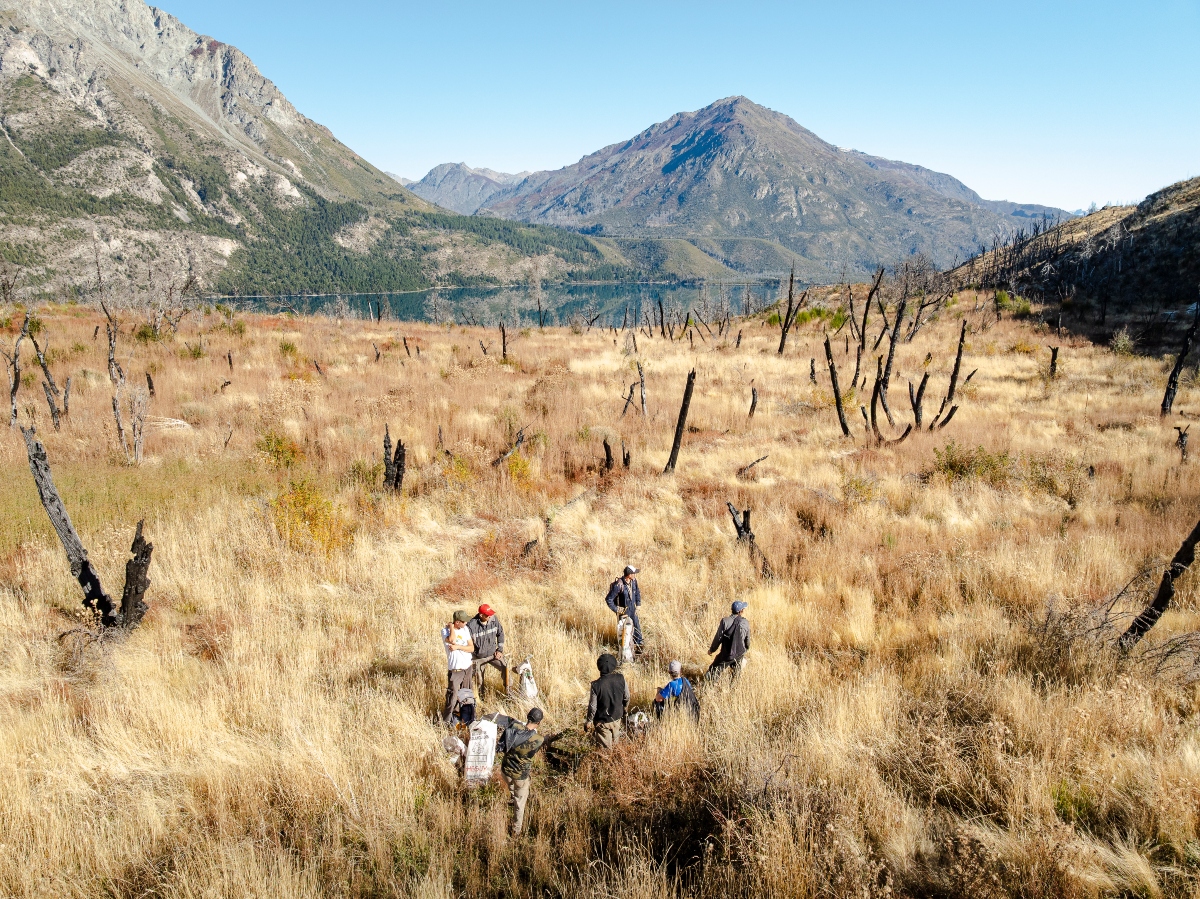
The company partnered with ReforestArg, an Argentine organisation specialising in native forest restoration. The organisation’s work ranges from seed collection and seedling production in nurseries to selecting restoration areas, planting, georeferencing, and monitoring tree growth.
Regeneration is not only about the number of trees, Mayer also stressed.
“We are not only trying to bring trees back, but also to restore the forest’s ability to function as an ecosystem and strengthen the capacity of communities to participate in that process,” he said.
Travel, Mayer added, has an inherent tension with the environment because of the carbon footprint left behind. The global travel industry is estimated to contribute around 8 per cent of global carbon emissions, mostly from transportation.
Say Hueque’s tree initiative offsets some of these carbon emissions, but that’s not the primary reason the organisation focuses on trees.
“International flights specifically are not part of the ‘10 trees per traveller’ equivalency,” Mayer said. “We believe this distinction is important. The program should be assessed on its actual ability to restore forests, rather than as a simplified formula intended to neutralise all emissions associated with a trip.”
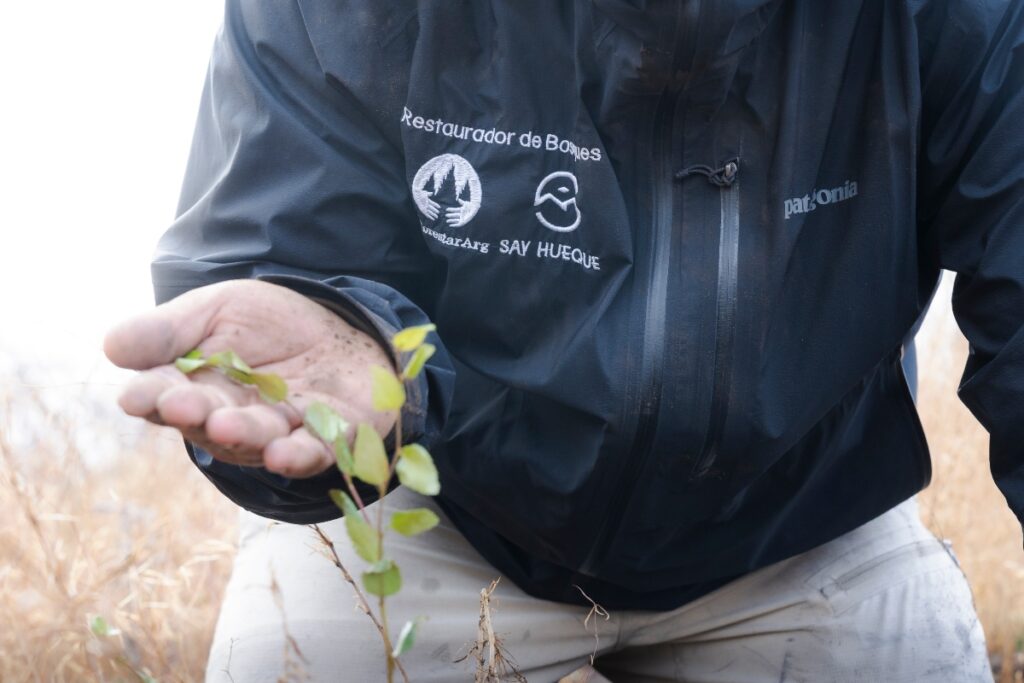
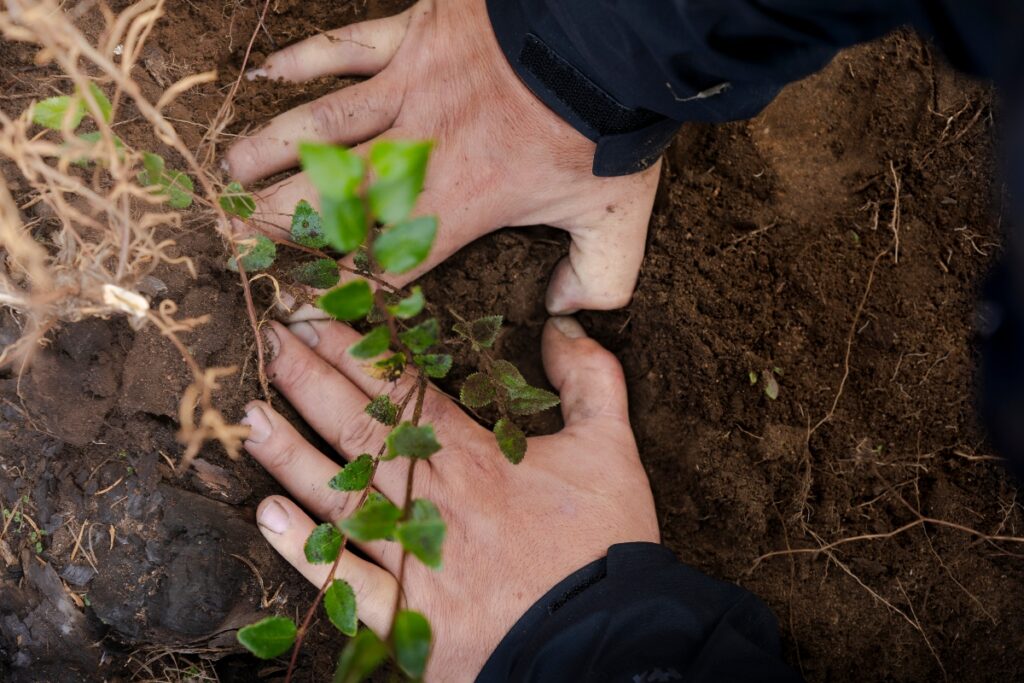
Mayer said the company and ReforestArg plant two types of trees: Cordilleran cypress (Austrocedrus chilensis) and coihue (Nothofagus dombeyi), two native and ecologically important species of the Andean-Patagonian forest. They weren’t chosen for fast growth or commercial value, but to bolster the native ecosystem.
Mayer said ReforestArg’s methodology is particularly important for tracking impact. Restoration is evaluated by the number of hectares recovered and the ecosystem’s ability to regain functions lost to wildfires, including soil protection, water regulation, natural regeneration, and biodiversity recovery.
“Each intervention is recorded and georeferenced, making it possible to identify the restored areas and return to assess them over time,” he said. “In addition to counting the number of trees planted, monitoring includes indicators such as survival, growth, mortality, causes of mortality, and site conditions. ReforestArg also works with permanent monitoring plots that allow changes to be compared over time.”
Traveller David Steele said he was grateful to have trees planted on his behalf.
“I am delighted that the tree species was a Coihue,” Steele said. “We call it Southern Beech (Nothofagus) because it is native to the Southern Hemisphere, but it thrives wherever it is planted in a cool, moist climate.”
Steele noted that researchers have found fossils of the tree’s leaves dating back to the time of the dinosaurs. Alfred Wegener, the German geologist and geophysicist, argued that its distribution across continents in the southern hemisphere was evidence that the continents were once joined together but drifted apart during the Mesozoic era, Steele added.
“The tree is remarkable in that it grows further south than any other tree, and it is an ancient species,” he said.
In addition to contributing to the local ecosystem, Steele stressed that his travels with Say Hueque were well organised.
“We loved the trip,” he concluded.
Kristi Eaton is a freelance writer and publicist, including for Say Hueque.